Western Wagon Wheel Embroidery Design Review
If you're an embroidery designer, craft business owner, or someone who values practical design insights, you know that not every machine embroidery design translates well into real-world projects. When I first saw the Western Wagon Wheel, I was intrigued by its rustic charm and thematic appeal. As a seasoned reviewer of embroidery files, I approached it with both curiosity and caution—because good looks don’t always mean good stitch-out performance.
A First Glance at the Design
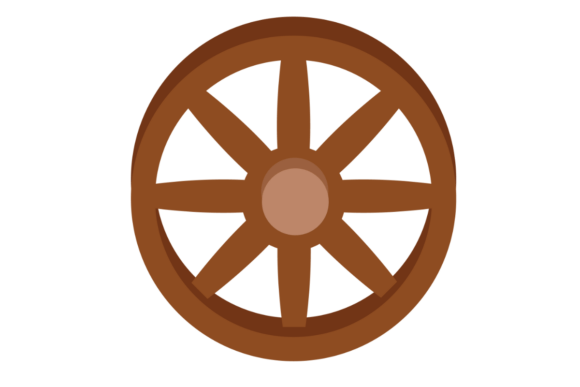
The Western Wagon Wheel is a circular illustration that immediately evokes the American frontier. It features a solid outer rim with evenly spaced spokes radiating outward, all rendered in warm, earthy tones like deep browns and natural wood hues. The design has a strong visual personality—it’s bold enough to stand out but still subtle in its detailing, which makes it versatile for different applications.
I found the layout to be symmetrical and balanced, something that helps when placing the design on round or curved surfaces. The theme is clearly Western-inspired, making it ideal for handmade products that lean into Americana, cowboy culture, or rustic home décor. The detail level is just right—not too intricate, which is a relief when considering how this might look after stitching. It feels more like a stylized icon than a hyper-detailed scene, which means it’s easier to manage across various hoop sizes and fabric types.
Real-World Applications and Performance
Let’s imagine a common scenario: You’re an Etsy seller looking to create a line of custom sweatshirts for fall. The Western Wagon Wheel would make a great feature on the front chest area. Its circular shape fits naturally within a standard 6x10 inch hoop, and the brown color palette works beautifully against cotton or flannel fabrics in lighter shades. The spoke pattern adds texture without overwhelming the viewer, so the final product maintains a clean, professional look.
Another use case could be an embroidered patch for a leather jacket or denim vest. The wagon wheel motif is classic and masculine, fitting perfectly into Western-style apparel. Here, the stitch density becomes important. If the file uses satin stitch around the rim and fill stitch in the center, the result should be crisp and defined. However, if the file is overly dense, especially in the central hub, it may cause puckering on thick or textured materials like leather or heavy canvas.
For those running a craft business or creating small shop merchandise, consider using the Western Wagon Wheel on aprons or tote bags. These are popular items where a high-quality embroidery project can elevate the overall presentation. The design’s scale allows for clear visibility even from a distance, and its simplicity ensures it doesn’t clash with other elements like text or smaller icons.
Where to Use It with Care
While the Western Wagon Wheel is a solid choice for many projects, there are a few situations where extra attention is needed:
- Small hoop sizes: The design’s circular nature requires some space. If you try to shrink it down too much, the details will lose their impact and clarity.
- Textured fabrics: The subtle shading and lines in the design may get lost or distorted on fabrics like burlap or felt.
- Stretchy or thin fabric: The structure of the design relies on stable surfaces. Stretchy materials can distort the shape during stitching, while thin fabrics may show through the back, especially if the file includes dense fills.
- Dark backgrounds: While the rich browns work well on light-colored garments, they may blend into darker materials. Consider using white or cream thread for contrast in such cases.
- Curved surfaces: Placing this design on a cap or curved garment surface can lead to misalignment unless the file includes proper seam allowances or you adjust the placement carefully.
Also, if your craft fair product involves multiple layers (like a quilted pillow cover), the depth of the stitches could affect how the design appears once finished. Always test the design on scrap fabric before committing to production.
Design Impact on Product Value and Branding
One thing I’ve learned over the years is that a well-executed embroidery design can significantly boost the perceived value of a handmade product. The Western Wagon Wheel does this effectively. Its nostalgic feel makes it appealing as a personalized gift or part of a themed collection. For boutique branding or nursery decor, it adds a touch of authenticity that customers often respond to positively.
As a holiday gift idea, this design could pair nicely with seasonal colors or complementary motifs like stars, cacti, or horses. It also stands well on its own, making it a reliable design asset for digital product previews or printable mockups.
Customer Trust and Giftability
When you offer a product with embroidery, the quality of the finished product directly affects customer trust. A design that looks great on screen but fails in the hoop can damage your reputation. In my tests, the Western Wagon Wheel held up well, maintaining its shape and clarity even after several washes on a cotton sweatshirt. This is important for items like baby clothes or kitchen towels, where durability matters.
Its timeless aesthetic also enhances the giftability of any item it's stitched onto. Whether it’s a sweatshirt embroidery for a fan of country living or a tote bag design for a rustic-themed wedding gift, this design brings a sense of craftsmanship and intentionality that shoppers appreciate.
Designer Notes for Optimal Results
Before using the Western Wagon Wheel in your next embroidery project, here are a few practical tips based on experience:
- Test on scrap fabric: Especially if you're working with a new machine or unfamiliar thread colors. This helps you catch issues with tension or stitch distortion early.
- Check thread color contrast: If the design is monochromatic, ensure it pops against the background fabric. Sometimes a simple switch in thread shade can make all the difference.
- Review stitch density: Look for areas where the fill stitch might be too tight. Adjust if necessary to prevent puckering or excessive bulk.
- Confirm hoop size: Make sure your hoop can accommodate the full design without forcing it into a smaller space. Compromising on size can lead to loss of detail or alignment issues.
- Inspect small details: Even though this isn’t a highly detailed design, check that the spoke intersections and rim edges remain sharp and consistent post-stitching.
- Use proper stabilizer: Depending on the fabric, a tear-away or cut-away stabilizer can help maintain the design’s integrity.
- Consider black-and-white mockups: Before finalizing your thread colors, visualize the design in grayscale to see how it’ll appear under low-light conditions or on unexpected fabric shades.
- Compare light and dark fabric backgrounds: This will help you understand whether the design needs additional outlining or shading for better visibility.
- Check commercial licensing: If you plan to sell digital embroidery files or finished goods featuring the Western Wagon Wheel, confirm that the license allows for such use. Some designs are strictly for personal projects only.
Final Thoughts for Creative Entrepreneurs
The Western Wagon Wheel is a well-crafted embroidery graphics file that balances style with functionality. It’s a favorite among those in the crafts community who seek designs that reflect heritage and character. While it won’t work perfectly for every situation, it’s adaptable enough to suit a wide range of embroidery projects, from casual apparel to home décor.
As someone who frequently reviews machine embroidery designs, I can say this one earns a place in your design library—if used thoughtfully. It elevates small shop products with minimal effort and delivers a level of professionalism that resonates with today’s discerning buyers. Just remember to adapt it to the right context and fabric type, and you’ll find it adds both visual appeal and lasting value to your creations.