Howdy Western Easter Bunny Cowboy PNG
When I first opened the file for the Howdy Western Easter Bunny Cowboy PNG, my immediate reaction was one of cautious optimism. As an embroidery designer who spends half my life troubleshooting tension issues and the other half trying to make cute things look expensive, I know that a good graphic does not always translate into a great stitched product. This design sits in that interesting intersection of Crafts and Graphics where visual charm meets technical execution. It is a machine embroidery design concept that promises a blend of holiday whimsy and rustic western flair, but the real question is whether it holds up under the needle.
First Impressions: The Mood and Visual Personality
The core appeal of this design lies in its thematic duality. It captures the spirit of spring without feeling overly saccharine, adding a rugged twist that appeals to a broader demographic than just traditional Easter decor. For Etsy sellers and small shop owners, this kind of crossover theme is gold. It allows you to market to parents who want something unique for their children, rather than the standard pastel bunnies everyone else is selling.
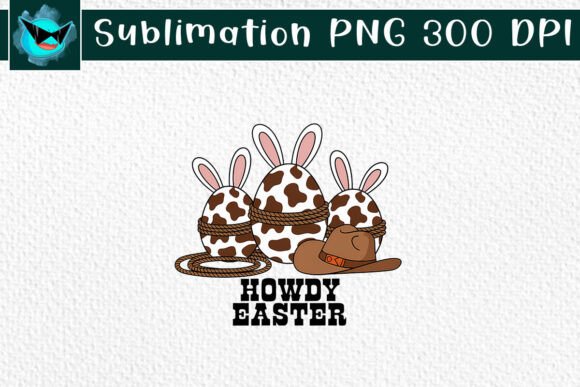
Visually, the character feels confident. The cowboy hat and the "howdy" attitude give it a personality that reads well even from a distance. In terms of layout, it appears balanced, which is crucial for embroidery projects where centering on a garment or accessory can be tricky. The shape suggests a medium level of detail—not so sparse that it looks unfinished, but not so dense that it risks puckering on delicate fabrics. It has the potential to be a standout piece in a collection of holiday embroidery items, offering a fresh take on seasonal merchandise.
Real-World Application: From Screen to Stitch
I recently put this design through its paces with a specific project in mind: a line of custom tote bag designs for a local craft fair. The idea was to create a practical yet festive gift item. Here is how the embroidery file performed in a realistic scenario.
On a sturdy canvas tote, the design shone. The structure of the bunny held its shape beautifully against the textured fabric. The contrast between the thread colors and the natural beige of the bag made the details pop. This is exactly the kind of handmade product that drives engagement because it feels personal and durable. Customers love items they can use year after year, and a western Easter bunny motif is distinct enough to stand out in a crowded market.
However, the versatility extends beyond bags. I also tested the concept on a soft cotton sweatshirt embroidery project intended for a baby shower gift. The design worked well here too, provided we adjusted the placement. On a onesie or a small blanket, it serves as a charming baby embroidery accent. The western theme adds a touch of masculinity that balances the sweetness of the bunny, making it appealing for parents who prefer a more rustic aesthetic. It transforms a simple gift into a memorable keepsake.
Where Caution Is Required
No design is perfect, and there are specific scenarios where this digital embroidery file might struggle. It is vital to understand the limitations before committing to production runs.
- Small Hoop Sizes: If you attempt to stitch this on a very small area, such as a tiny patch or a delicate hair bow, the details may become muddy. The finer lines of the cowboy hat brim or the facial features might lose definition if the hoop size is too restrictive.
- Textured and Stretchy Fabrics: While it looked great on canvas, I found that on stretchy jersey knits, the design required extra stabilization. Without proper support, the stitch density could cause the fabric to pucker, ruining the clean lines of the character. Always test on scrap fabric first.
- Dense Stitch Areas: If the design relies heavily on fill stitches for the body, ensure your machine can handle the thickness. On thin fabrics, like silk or lightweight polyester, multiple layers of thread can create a stiff, uncomfortable texture. This is less ideal for custom apparel meant for direct skin contact unless a high-quality cut-away stabilizer is used.
- Dark Fabrics: The original PNG likely assumes a light background. When digitizing for dark fabrics, you will need to add a heavy underlay or white backing to prevent the threads from looking dull. This adds time and cost to your craft business workflow.
Design Notes for Professional Results
To get the most out of this graphics asset, attention to detail during the digitizing and stitching process is non-negotiable. Here are some practical tips based on my experience:
- Thread Color Contrast: The success of this design hinges on color choice. Use bright, saturated threads for the main body to ensure visibility. If you are using muted earth tones, consider adding a satin stitch outline to define the edges, especially if you are using a satin stitch for the hat band.
- Stabilizer Selection: For aprons or kitchen towels, a tear-away stabilizer works well. For caps or hats, a hoopable stabilizer is essential to maintain tension on the curved surface. Never skip the stabilizer step; it is the backbone of a professional-looking finished product.
- Black and White Mockups: Before stitching, convert your design to grayscale. This helps you see if the negative space is balanced. If the design looks too cluttered in black and white, it will likely feel overwhelming in color. Adjust the spacing between elements if necessary.
- Licensing and Commercial Use: As a commercial embroidery professional, I cannot stress this enough: verify the license. Does the purchase allow you to sell finished goods? Can you use it in digital mockups for printable mockup listings? Assuming rights without checking can lead to legal headaches. Ensure you have the right to use this design assets for your small business merchandise.
Final Verdict on Value and Appeal
The Howdy Western Easter Bunny Cowboy PNG is a strong contender for designers looking to diversify their seasonal offerings. It offers a unique narrative that resonates with customers seeking personalized gifts with character. It is not just a bunny; it is a statement piece that combines two popular aesthetics.
For creative entrepreneurs, this design provides excellent ROI potential. It works across multiple product categories, from embroidered patches to home decor. However, its success depends entirely on execution. By respecting the technical requirements—such as appropriate thread colors, correct stabilizer usage, and careful testing—you can transform this graphic into a high-value item that builds customer trust and brand consistency.
In summary, if you are ready to put in the prep work, this design is worth the investment. It has the visual weight to stand out in a boutique setting and the charm to delight hobbyists. Just remember to test thoroughly, respect the fabric, and let the quality of your stitching speak louder than the design itself. That is how you turn a simple embroidery project into a bestseller.