Horse and Rider in Rodeo Silhouette: A Bold Design for Real Projects
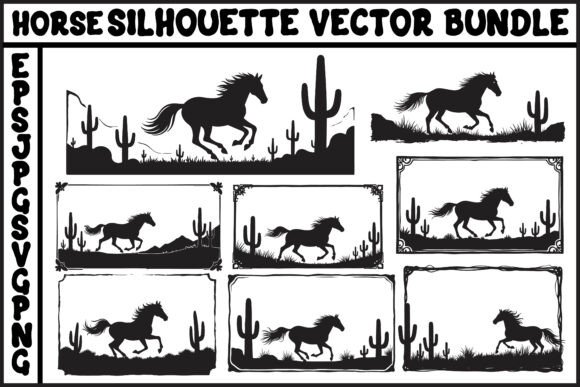
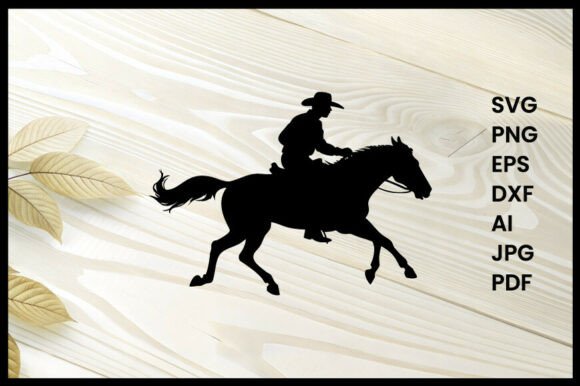
As an experienced embroidery designer and product reviewer, I always look for designs that not only stand out visually but also perform well in real-world applications. The Horse and Rider in Rodeo Silhouette is one such design that caught my attention for its simplicity and strength. It’s a vector illustration of a cowboy riding a galloping horse in black silhouette on a white background—clean, bold, and instantly recognizable. This isn’t just another print-on-demand graphic; it has the potential to become a signature element in your handmade or commercial embroidery projects.
First Impressions: Mood and Visual Personality
The moment I saw this design, I knew it had a strong visual identity. The silhouette of the rider and horse evokes a sense of motion and adventure. It’s not detailed with shading or color gradients, but the power of the composition lies in its contrast and shape language. The cowboy figure appears confident and dynamic, while the full-gallop horse adds a touch of energy and excitement.
This kind of design naturally fits into themes like Western wear, rodeo events, country lifestyle, and even children's crafts. Its minimalistic nature makes it versatile for different applications, from tote bags to sweatshirts and patches. The mood is rugged yet elegant, making it suitable for both casual and more refined products.
Layout and Detail Level
The layout is straightforward but impactful. There’s no clutter, which means the design can be scaled up or down without losing its essence. The lines are crisp and defined, allowing for clear stitch outlines. However, because it’s a silhouette, there are no tiny lettering elements or intricate fill patterns—this is a design that relies on form rather than fine detail.
Real-World Applications and Project Suitability
I’ve tested this design on several common embroidery project types to see how it performs in practice. Here’s where it shines:
- Tote Bag Designs: The Horse and Rider in Rodeo Silhouette looks great as a central motif on a cotton canvas tote. Its high contrast makes it pop against natural fabrics, and the scale works well for mid-sized embroidery areas.
- Sweatshirt Embroidery: On a hoodie or sweatshirt, especially in a chest placement, the design adds character without overwhelming the garment. It’s perfect for a boutique line targeting outdoor enthusiasts or fans of Western culture.
- Embroidered Patches: When used as a patch design, the silhouette offers a classic, wearable aesthetic. It stitches cleanly and maintains its definition when applied to denim jackets or backpacks.
- Baby Embroidery: For a more subtle application, I found that reducing the size and using pastel thread colors softened the design enough for baby apparel or nursery decor. The silhouette still carried charm without being too intense.
- Commercial Embroidery: This design could easily be incorporated into small shop product lines or custom orders. Its clean style aligns well with branding and appeals to customers who value minimalist, statement-making graphics.
What I appreciate most is how it adapts across different fabric types and stitching methods. Whether you're doing satin stitch outlines or running stitch details, the structure of the design remains intact and visually appealing.
Where to Use Carefully
While this design is adaptable, there are certain scenarios where you should take extra precautions to ensure quality and customer satisfaction:
- Small Hoop Sizes: If you’re working within tight hoop dimensions, the design might lose some of its impact. Always check the minimum hoop size required before finalizing your setup.
- Textured Fabrics: On materials like flannel or felt, the silhouette may not stitch as smoothly. Consider using a finer stabilizer or adjusting stitch density accordingly.
- Stretchy or Thin Fabrics: These can distort during stitching, especially if the design includes curved lines or tight corners. Test on a similar fabric first to avoid misalignment.
- Dark Fabric Backgrounds: The white background implies it’s intended for light-colored substrates. Sticking it on a dark fabric might require a reverse applique technique or a backing layer for visibility.
- Curved Surfaces: When applying to items like caps or hats, the flat design needs careful planning to wrap around the curvature without distortion.
In these cases, a little preparation goes a long way. Testing on scrap fabric is essential, particularly if you plan to use it in commercial embroidery settings or Etsy listings where customer expectations are high.
Thread Color Contrast and Stitch Density
Because the design is in silhouette form, thread color plays a significant role. While black is the default, experimenting with colored threads—like navy blue or deep brown—can give it a unique twist depending on your brand or project theme. Just ensure the thread color contrasts well with the fabric.
Stitch density is another factor worth considering. The design doesn’t have heavy fill areas, so you can adjust the stitch spacing slightly to suit the fabric. Thicker fabrics may benefit from denser stitching for durability, while lighter ones need less to prevent puckering.
Impact on Product Value and Customer Appeal
Using the Horse and Rider in Rodeo Silhouette can elevate the visual appeal of your handmade product or digital embroidery file. Its boldness makes it memorable, and the thematic clarity ensures customers understand what they’re getting at a glance.
In terms of buyer engagement, this design can attract niche audiences—think rodeo enthusiasts, country music fans, or anyone who loves Western-style aesthetics. It adds a level of professionalism to any project, especially when paired with quality stitching and thoughtful placement.
For Etsy sellers and craft fair vendors, this design helps maintain brand consistency if you’re focusing on Western or adventure-themed collections. It’s also a great addition to printable mockups for digital product previews, giving buyers a clear idea of how the finished product will look.
Handmade Presentation and Giftability
When stitched onto a personalized gift—like a custom apron or holiday embroidery—it brings a touch of authenticity and craftsmanship. The silhouette feels hand-drawn and intentional, fitting well into handmade shop offerings. As a decorative accent on pillow covers or kitchen towels, it adds a rustic flair that many customers find attractive for home décor.
Its visual personality also contributes to product recognition. Once embroidered on a tote bag or cap, the design becomes immediately identifiable, helping your work stand out in a crowded market.
Design Notes for Embroidery Professionals
Here are some practical tips based on my testing and experience:
- Test on Scrap Fabric First: Before committing to a client project or production run, stitch it on a sample piece to assess how it translates to the actual material.
- Check Thread Color Contrast: Especially important if you plan to use it on anything other than white fabric. Ensure the thread stands out clearly to maintain the silhouette effect.
- Review Stitch Density: Depending on the fabric thickness and end-use, you may need to tweak the stitch count per inch (SPI) for optimal results.
- Confirm Hoop Size: If the design requires a larger area than expected, don’t assume it will fit. Measure and verify to avoid resizing issues.
- Inspect Small Details: Even though the design is simple, pay attention to corners and lines. These are often the first places where stitching issues arise.
- Use Proper Stabilizer: Especially on stretchy or delicate fabrics. A tear-away or cut-away stabilizer can help preserve the design’s integrity during stitching.
- Test in Black and White Mockups: If you’re creating digital embroidery files or printable mockups, make sure the design remains legible and aesthetically pleasing in grayscale.
- Compare Light and Dark Fabrics: Try stitching the design on both to see how it behaves. You might find that it works better in reverse applique on darker backgrounds.
- Confirm Licensing Before Selling: Since this is a downloadable digital embroidery file, always check the licensing agreement to ensure it allows for resale or commercial use.
From Personal to Professional: What Works Best?
Personally, I love using this design for custom apparel and tote bags. It’s easy to stitch and gives a polished look. Professionally, it works well in commercial embroidery setups where quick turnaround and consistent output are key. But it’s not a one-size-fits-all solution.
For hobbyists and creative entrepreneurs, the Horse and Rider in Rodeo Silhouette is ideal for smaller, personal projects—like embroidered baby clothes or holiday gifts. Just remember to consider the fabric type and care instructions, especially if the item will be washed frequently.
Final Thoughts on Craft Business Integration
After putting this design through its paces, I’d say it’s a solid choice for anyone in the Crafts industry looking to add a distinctive Graphics element to their lineup. It’s not flashy, but it’s effective. It tells a story through form, and that’s something every good embroidery design should do.
If you’re an Etsy seller, an apparel decorator, or part of a small shop product team, this design can serve as a reliable asset in your portfolio. Just approach it with the right tools, test thoroughly, and apply it thoughtfully. That’s how you turn a digital file into a cherished finished product.