Cowboy Bandana Clipart: A Versatile Graphic for Embroidery Projects
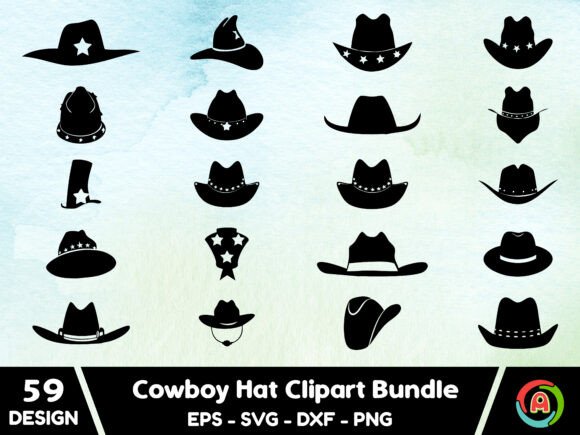
As an embroidery designer with years of experience, I always approach a new design file with a mix of curiosity and caution. When I first opened the Cowboy Bandana Clipart, I was immediately drawn to its bold yet minimal aesthetic. The graphic features a stylized bandana in a classic western pattern, complete with a tied knot that gives it just enough character without overwhelming the visual space. It’s clear this design is crafted with intention—balancing simplicity and symbolism to evoke the spirit of the Wild West.
A First Look at the Design
The Cowboy Bandana Clipart doesn’t shout; it whispers with confidence. Its layout is clean, and the use of negative space makes it adaptable across a range of projects. The knot detail is subtle but effective, suggesting movement and authenticity. This kind of visual personality works well for designs intended for custom apparel, party decor, or even branding elements for a small shop. As someone who often tailors graphics to specific product types, I found the proportions of the design to be well-suited for larger items like tote bags or sweatshirts.
What stood out most was how the design could easily slot into both handmade products and digital assets. For example, when I envisioned it on a sweatshirt embroidery project, it felt right at home. The graphic didn’t demand too much stitching density, which is ideal for avoiding puckering or distortion, especially on stretchy or thin fabrics.
Real-Life Application: Tote Bag Embroidery
Let me walk you through a real-life scenario where I used this design. I was preparing a line of personalized gifts for a local boutique and wanted something that felt rustic but modern. I decided to test the Cowboy Bandana Clipart on a cotton canvas tote bag—a common item in craft businesses and Etsy shops.
I started by loading the embroidery file into my software and adjusting the placement. The design’s rectangular shape made it easy to align along the center or side of the bag. Since the clipart includes both satin stitch and running stitch areas, I knew I’d need to consider the fabric texture and whether to use a cutaway or tear-away stabilizer. Cotton canvas can be forgiving, but if you’re using a thinner material, stabilizer becomes essential to maintain the crispness of the lines.
After testing the design on scrap fabric, I noticed that the knot area required slightly more attention. While the overall stitch count wasn’t high, the concentration of stitches there meant careful thread tension control was needed to avoid pulling. The minimalism of the design also allowed for creative color choices—whether sticking to traditional western hues or going bold with neon threads for a festival look.
Where This Design Shines
- Custom Apparel: Sweatshirts, t-shirts, and caps benefit from the design’s strong visual identity without being overbearing.
- Boutique Merchandise: Whether printed as part of a collection or embroidered individually, the graphic adds a touch of western charm.
- Party Decor: Especially for rodeo or cowboy-themed events, this design brings a cohesive, thematic element to banners, napkins, and gift tags.
- Embroidered Patches: The clean lines and limited details make it a good candidate for patch work, especially if you want to keep the focus on the main image.
- Digital Product Previews: If you're an digital embroidery file seller, this graphic looks great in printable mockups, helping buyers visualize the final product before purchase.
When to Proceed with Caution
While the Cowboy Bandana Clipart is versatile, there are situations where it may not perform as expected. Here are a few considerations:
- Small Hoop Sizes: The knot detail might get lost or appear cluttered if scaled down too much. Always check the minimum recommended hoop size provided by the designer.
- Textured Fabrics: The fine lines in the design may not show up clearly on materials like denim or flannel unless you adjust the stitch density or use a different type of stabilizer.
- Stretchy or Thin Fabrics: These require extra care to prevent distortion during stitching. Consider reinforcing the back or using a lighter-weight stabilizer.
- Dark Fabric Backgrounds: Thread colors must contrast well. On black or navy bases, white or metallic threads work best to highlight the design.
- Curved Surfaces: Placing this design on a curved surface like a cap or baby bootie requires warping adjustments. The original layout is flat, so some manual tweaking may be necessary.
Design Impact on Your Craft Business
Using the Cowboy Bandana Clipart in your craft business or Etsy shop can significantly boost your product's visual appeal. Its western motif appeals to a broad audience, including those interested in rustic themes, outdoor lifestyles, and vintage aesthetics. From a customer perspective, it communicates quality and thoughtfulness—especially when applied neatly to a tote bag or apron.
In terms of product value, this design elevates ordinary items into unique, collectible goods. Whether you're creating personalized gifts or commercial embroidery projects, the bandana graphic has a way of making each piece feel special. It also supports brand consistency if you're building a western-themed line of products.
For holiday embroidery or themed items like Fourth of July shirts or Halloween costumes, the Cowboy Bandana Clipart offers a timeless look that won’t date quickly. It’s one of those designs that feels nostalgic but still fresh, which is key for maintaining buyer engagement over time.
Professional Notes for Embroidery Use
Here are some practical tips based on my experience working with similar graphics:
- Test on Scrap Fabric First: Especially if you plan to scale it or change the thread colors, do a trial run to see how the stitches behave.
- Review Stitch Density: Make sure fill stitch areas aren't too tight for the fabric you're using. Overly dense stitching can lead to puckering or visible distortions.
- Confirm Hoop Size Requirements: Some designers specify the smallest hoop they recommend. If unsure, go with a larger hoop to ensure clarity and stability.
- Inspect Small Details: The knot in the Cowboy Bandana Clipart is delicate. Check that it translates well into stitch form and maintains definition after washing.
- Use Proper Stabilizer: Depending on the fabric, a tear-away or light-weight cutaway stabilizer can help maintain the integrity of the design.
- Check Thread Color Contrast: Avoid using low-contrast thread combinations unless you're going for a faded, vintage look. White or cream threads work beautifully on darker backgrounds.
- Consider Black and White Mockups: Before finalizing the design, view it in grayscale to assess how it will look with different color schemes or fabric patterns.
- Verify Licensing Terms: If you're selling finished products or digital downloads, ensure the licensing allows for commercial use. Many free designs have restrictions that could impact your sales strategy.
Final Thoughts for Creative Makers
The Cowboy Bandana Clipart isn’t flashy, but it does everything it needs to do—and nothing more. That’s a hallmark of a great embroidery design. It speaks to the theme without overcomplicating it, and it holds up under scrutiny when stitched onto real products.
If you're looking to expand your design assets for a craft fair product line or add a signature graphic to your handmade shop, this is a solid choice. Just remember to tailor it to your specific medium and audience. Think about what kind of finished product you want to create—will it be a bold statement piece or a subtle nod to western style?
Ultimately, the Cowboy Bandana Clipart is a reliable design that complements a wide array of embroidery projects. It brings a sense of authenticity and style that many customers recognize and appreciate. With the right preparation and thoughtful application, it can become a staple in your creative toolkit—especially for small shop product lines and personalized gift offerings.
Before using it in any production setting, always review the technical specifications like stitch count, file format, and hoop size. And don’t forget to test it out on actual materials. After all, the best way to evaluate an embroidery design is to see it in action on the real thing.