Cartoon Heart Cowboy Character Embroidery Design Review
First Impressions and Visual Personality
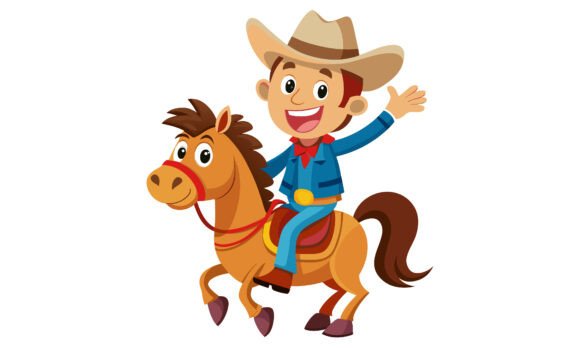
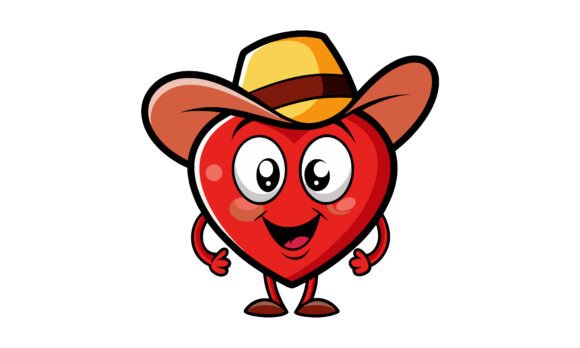
When I first opened the Cartoon Heart Cowboy Character digital file, it was immediately clear that this is a design with charm and character. The whimsical yet bold imagery of a cowboy holding a heart brings a sense of fun and warmth to any project. As an experienced embroidery designer, I appreciate how the layout feels balanced—neither too cluttered nor too sparse. It’s got enough detail to stand out without overwhelming the fabric or the viewer.Real-World Use Cases
I’ve used similar designs in various real-life scenarios, and I see the Cartoon Heart Cowboy Character fitting particularly well in a few categories:- Custom Apparel: This design would look great on sweatshirts, t-shirts, and tote bags. Its cheerful nature works especially well for seasonal collections like holiday gifts or summer-themed apparel.
- Baby Items: The soft, rounded shapes and non-threatening expression of the cowboy character make it suitable for baby clothes, blankets, or nursery decor. It’s cute enough for little ones but still retains a level of sophistication for parents.
- Embroidered Patches: The design’s distinct shape makes it perfect for patches. Whether sewn onto denim jackets, backpacks, or aprons, it adds a pop of personality that stands out without being garish.
- Home Decor Projects: Pillow covers, tea towels, and kitchen accessories are all prime candidates for this kind of motif. The character's design allows for creative placement and color variations depending on your brand aesthetic.
- Commercial Embroidery Assets: If you're selling digital embroidery files or using them for commercial product lines, this design has the potential to become a recognizable brand element—especially if you pair it with consistent fonts and color schemes.
Customer Reaction and Giftability
From a customer perspective, the Cartoon Heart Cowboy Character feels approachable and memorable. In my experience, designs that evoke emotion tend to resonate more with buyers. This one does exactly that—it creates a sense of joy and individuality. For Etsy sellers and handmade shop owners, that emotional connection can mean the difference between a sale and a pass.Where Caution Is Needed
While the Cartoon Heart Cowboy Character is a strong contender for many embroidery projects, there are some situations where extra care should be taken.For starters, if you plan to use it in a small hoop size, be prepared to scale down carefully. The character has several defining features that may get lost if not adjusted properly. Similarly, when working with textured fabrics, such as corduroy or flannel, the details might not come through as clearly. Always test stitch density and adjust accordingly to avoid flat or muddled results.
Stretchy or thin fabrics can also pose a challenge, especially in areas with tight curves or detailed corners. These sections may pucker or distort if not stabilized correctly. And let’s not forget about dark fabric backgrounds—while the character looks great in bright colors, it may require a high contrast thread palette to maintain visibility.
Projects involving curved surfaces, like caps or hats, will demand careful positioning and possibly some manual tweaking to ensure the design remains proportionate and legible. If you're making layered garments or products that undergo frequent washing, consider the durability of the stitch types you choose—satin stitch areas may wear faster than running stitch or fill stitch sections.
Practical Designer Notes
- Test on scrap fabric: Especially if you're planning to sell finished products or use it in client work. Every machine and fabric behaves differently.
- Check thread color contrast: Don’t assume just because it looks good on screen that it will read well on fabric. Try black-and-white mockups to evaluate clarity.
- Review stitch density: Dense areas might cause puckering or pulling. Consider reducing stitch density slightly for delicate or stretchy materials.
- Confirm hoop size requirements: Some machines have limitations, and scaling improperly can lead to registration issues or misalignment.
- Inspect small details: The character’s facial expressions and clothing details could be tricky in certain settings. Make sure they remain intact after stitching.
- Use proper stabilizer: Especially important for lightweight or stretchy materials. A good backing material can save your design from distortion.
- Compare light and dark fabric backgrounds: Sometimes what works on white cotton doesn’t translate well to navy blue linen. Test both extremes.
- Verify licensing before selling: If you're planning to turn this into a commercial product or digital asset, confirm whether the design allows for resale or commercial use.